

Targeted Jaw Pain Treatment in Schertz, TX
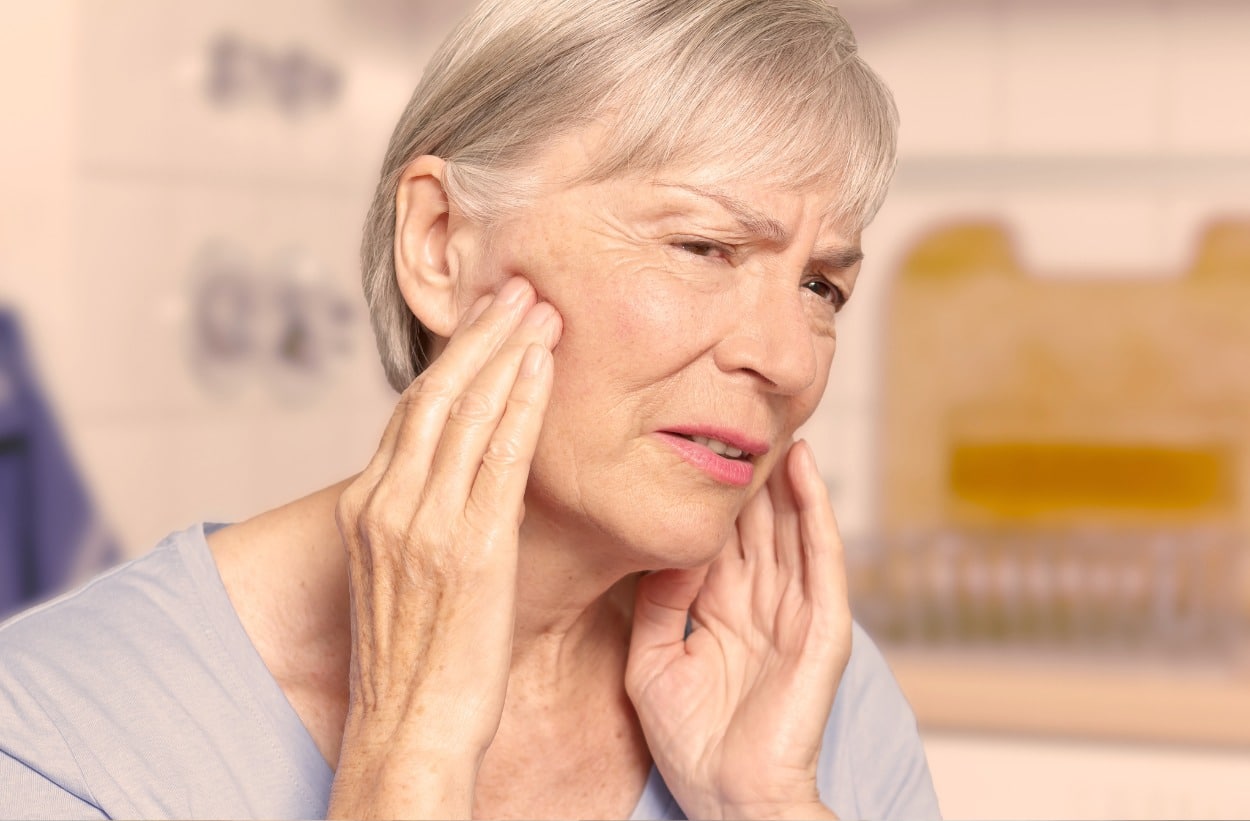
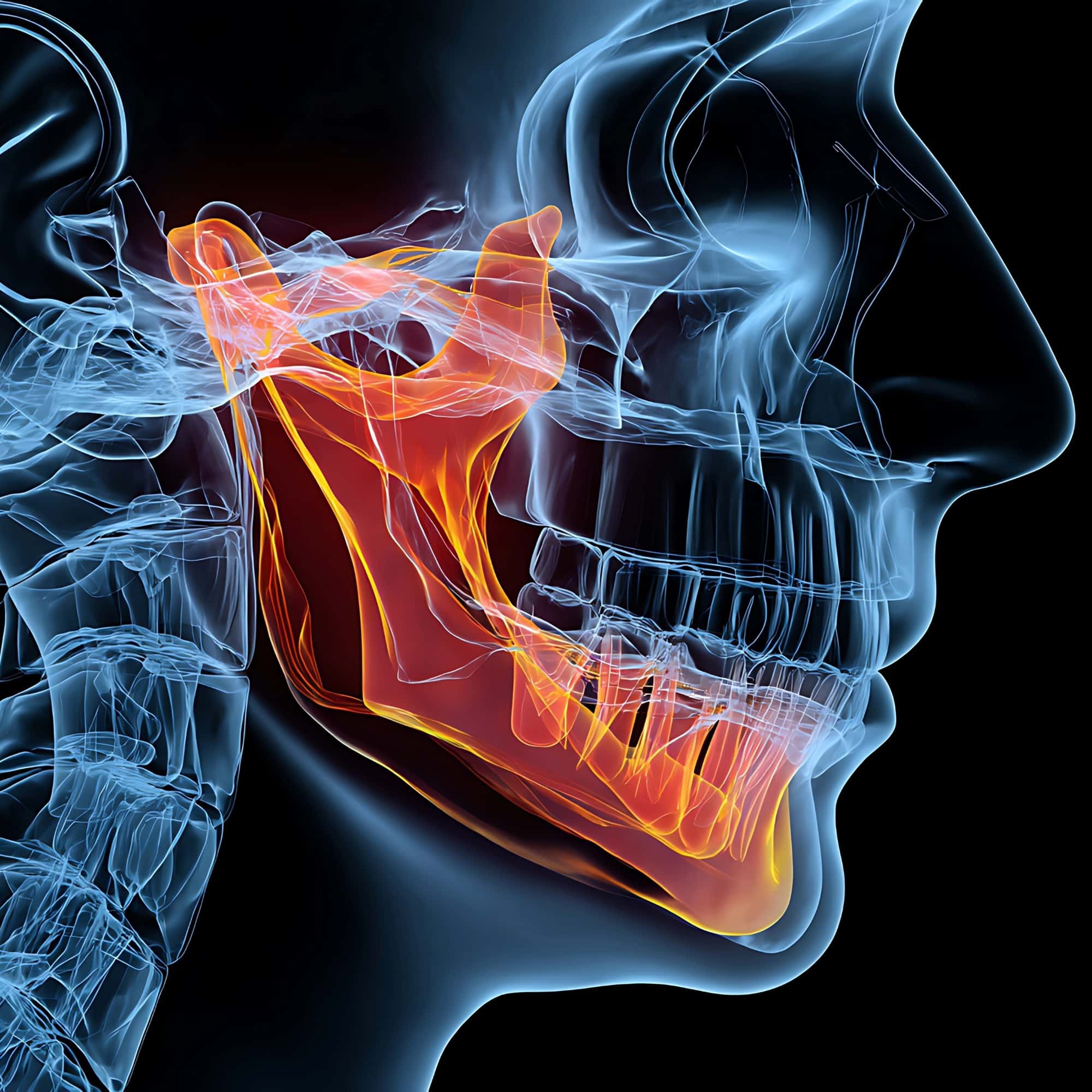
TMJ pain can affect far more than just your jaw. When the temporomandibular joint becomes irritated or inflamed, everyday activities like chewing, speaking, smiling, or even resting your head can lead to ongoing discomfort. TMJ disorder, also known as TMD, often involves the jaw joint, surrounding jaw muscles, and structures connected to the head, neck, ears, and skull.
You do not have to live with ongoing jaw pain. Schedule an appointment at our Schertz office and begin TMJ pain treatment with the experienced physical therapists at BioMotion.

Personalized TMJ Treatment Plans
No two TMJ cases are exactly the same. That is why our TMJ pain treatment in Schertz begins with a comprehensive consultation, including a detailed medical history, physical exam, and evaluation of your symptoms. We assess how your jaw moves, jaw function, posture, neck and shoulder muscles, and stress patterns may be contributing to your pain.
Our physical therapists work closely with each patient to develop a personalized treatment plan focused on relieving pain, improving jaw mobility, and addressing the root cause of TMD pain. Each plan is designed to support long-term relief and improved oral health without unnecessary escalation to oral surgery or invasive procedures.
Causes of TMJ Pain
TMJ disorder can develop for several reasons, often involving a combination of joint irritation, muscle tension, and movement dysfunction. Common causes of TMJ pain include:
- Chronic teeth grinding or clenching (bruxism): Repeated stress on the jaw joint and surrounding muscles
- Stress and tension: Increased muscle tightness in the jaw, neck, and head
- Jaw injury or trauma: Direct impact to the jawbone, mouth, or skull
- Poor jaw mechanics: Imbalanced jaw function or altered movement patterns
- Arthritis: Degenerative or inflammatory changes within the jaw joint
- Postural issues: Forward head posture placing strain on the jaw and neck
- Dental factors: Bite changes, missing teeth, or dental care concerns that affect alignment
Call 210-659-4333 or contact us online to schedule your free screening.
Ways We Can Help Treat TMJ Pain
Our goal is to create a personalized treatment plan that addresses the root cause of your TMJ pain, improves jaw function, and helps alleviate symptoms that interfere with daily life. Below are common TMJ treatment options offered at our Schertz office.
Manual Therapy
Hands-on techniques such as soft tissue mobilization, joint mobilizations, and myofascial release are used to address muscle tension, improve jaw mobility, and reduce inflammation around the temporomandibular joint and surrounding structures.
Therapeutic Exercises
Targeted exercises help strengthen and coordinate the jaw muscles, neck, and upper shoulder muscles. Improving strength and control supports healthier jaw movement and reduces strain during chewing, speaking, and other daily activities.
Stretching & Mobility Training
Gentle stretching focuses on the jaw, neck, and facial muscles to improve range of motion and reduce stiffness. These techniques are especially helpful for patients experiencing difficulty chewing, popping sounds, or a locked jaw.
Postural & Movement Education
Poor posture can place additional stress on the jaw joint and skull. We provide education and corrective strategies to improve head, neck, and shoulder alignment, supporting better jaw function throughout the day.
Symptom Management Strategies
Depending on the severity, symptom management may include relaxation techniques, cold compresses, ice packs, activity modification, and guidance on avoiding habits such as excessive chewing gum, clenching, or teeth grinding that may worsen discomfort.
High severity cases may require more invasive treatment methods such as, steroid injections, joint repair, or surgery. Because we do not perform these invasive procedures, we may refer patients to a trusted specialist for appropriate care when symptoms require a higher level of intervention.
Call 210-659-4333 or contact us online to schedule your free screening.
Signs of Temporomandibular Joint Pain
TMJ disorder can present in a variety of ways, depending on the severity of the condition and the structures involved. Symptoms may develop gradually or appear suddenly after stress, trauma, or changes in jaw function. Common symptoms of TMJ disorder include:
- Ongoing pain or soreness in the jaw joint or surrounding jaw muscles
- Discomfort that may spread across the cheeks, temples, or along the jawline
- Noises when the jaw moves, especially while chewing or opening the mouth
- Pain, stiffness, or fatigue when chewing foods
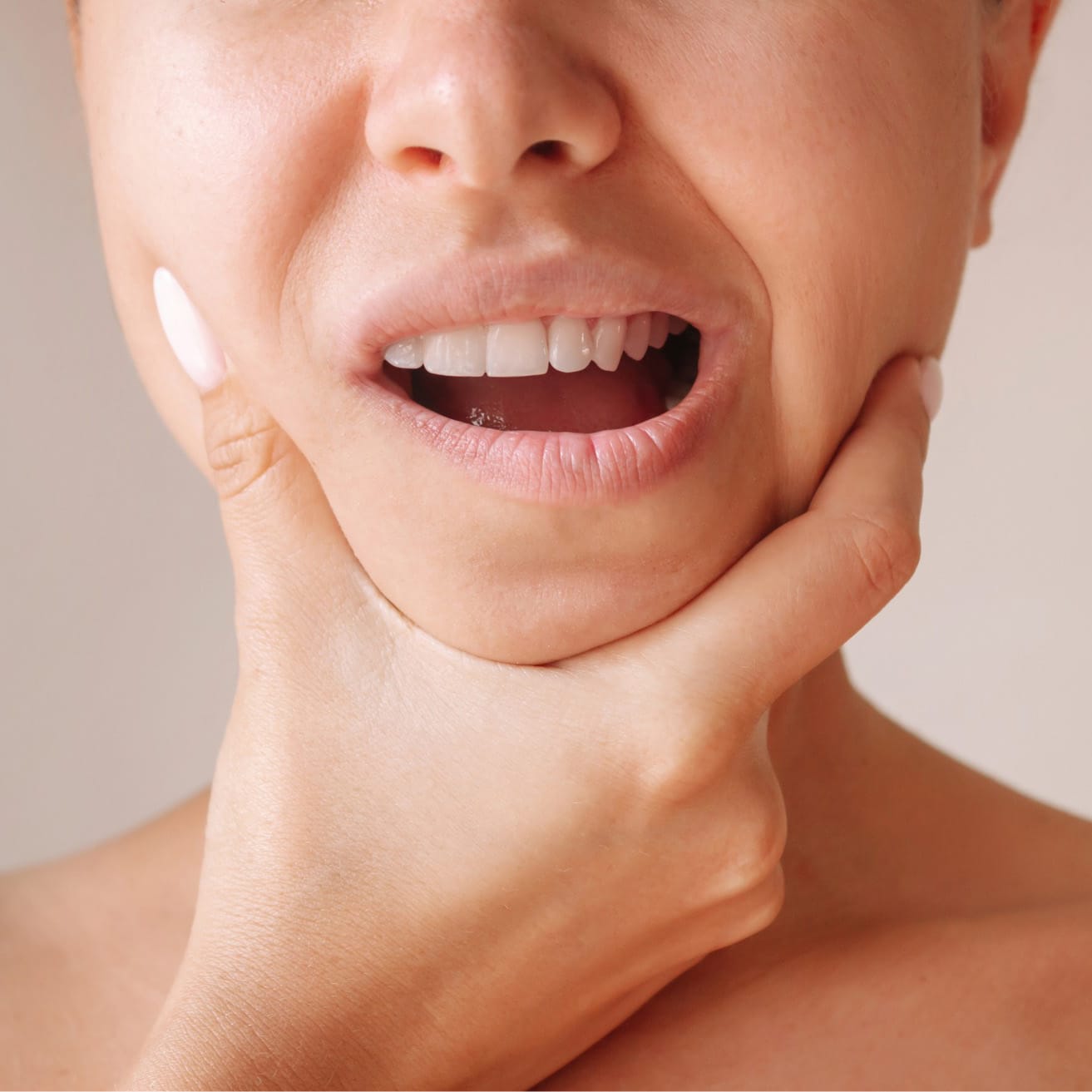
- Trouble fully opening or closing the mouth
- Frequent tension-style headaches that may originate near the temples
- Muscle tightness that extends into the neck or upper back
- Pressure, fullness, or pain near the ears without an ear infection
Some patients may also experience other symptoms, such as changes in how the teeth come together, increased sensitivity during stress, or discomfort that affects speech, eating, or daily life.

Experience Relief From Jaw and Facial Pain in Schertz, Texas
TMJ pain can extend beyond the jaw, contributing to headaches, facial pain, ear discomfort, neck tension, and chronic pain that affects your quality of life. Our clinicians are committed to helping each patient reduce pain and return to daily activities with confidence. If TMJ pain is impacting your smile, sleep, or ability to enjoy life, schedule an appointment with our team today.

Why Choose BioMotion for TMJ Pain Treatment?

Professional Expertise
Our physical therapists have extensive experience treating TMJ disorder, jaw pain, and TMD pain using conservative, research-informed treatment approaches. We focus on addressing dysfunction within the jaw joint and surrounding muscles before suggesting invasive options like oral surgery.
Personalized Care
Every patient experiences TMJ symptoms differently. During your initial consultation, we assess your medical history, jaw movement, muscle coordination, stress levels, dental care history, and contributing factors such as clenching or chronic teeth grinding to design a customized plan.
Comfort-Focused Rehabilitation
We understand how disruptive jaw pain can be, from difficulty chewing to ongoing facial discomfort. Our approach emphasizes gentle, progressive care that supports healing while respecting the sensitivity of the jaw joint and surrounding structures.
Evidence-Based Treatment
Our TMJ treatment programs rely on proven techniques to help relieve pain, improve jaw mobility, and restore function. For severe cases, we collaborate with dentists or other providers when additional care is needed, always prioritizing the least invasive path first.
Our Simple Process
1.
Schedule a Free Screening
Contact our Schertz office at 210-659-4333 or request an appointment online. During your visit, we’ll discuss your symptoms, concerns, and how TMJ pain is affecting your daily life.
2.
We Create a Treatment Plan
Your physical therapist will perform a hands-on evaluation to diagnose TMJ disorder and assess jaw movement, muscle tension, posture, and contributing factors. Based on your findings, we develop a personalized treatment plan designed to treat the source of your pain.
3.
Begin Your Recovery
You’ll work closely with your physical therapist through guided exercises, manual therapy, and education focused on relieving pain, reducing inflammation, and improving jaw function. We’ll also provide home strategies to support long-term relief and prevent flare-ups.
Call 210-659-4333 or contact us online to schedule your free screening.
We Accept a Wide Range of Insurance Carriers
If you do not see your insurance listed, please contact our office for assistance.
Patients with TriCare insurance may qualify for in-network benefits depending on their plan.
Call us at 210-659-4333 for more information.







Frequently Asked Questions
TMJ disorder can be caused by teeth grinding, clenching, stress, arthritis, trauma, jaw injury, poor posture, or issues affecting the jawbone or joint alignment. It is common to experience a combination of these factors.
Physical therapy focuses on restoring proper jaw movement, reducing muscle tension, and addressing contributing factors such as posture and stress. Treatment helps relieve pain and improve function without surgery. Our team is committed to providing the best care possible through personalized treatment plans focused on long-term relief.
Many patients come to us after suffering with ongoing jaw pain, headaches, or facial discomfort that has begun to affect their daily life. Common signs include jaw pain, facial pain, popping sounds, headaches, ear discomfort, difficulty chewing, jaw locking, and neck tension.
Recovery time depends on severity and contributing factors. Many patients begin noticing improvement within a few weeks, with continued progress through consistent treatment. Temporary adjustments such as choosing soft foods, limiting excessive chewing, and avoiding habits like chewing gum can help reduce strain on the jaw during recovery.
Surgery is typically considered a last resort. Most TMJ cases respond well to conservative care such as physical therapy, medications, muscle relaxants, or coordination with dental care providers when needed.
Visit Our Physical Therapy Clinic in Schertz, Texas
Visit BioMotion Physical Therapy for expert TMJ pain treatment in Schertz and surrounding areas, including Cibolo, Universal City, Selma, NE San Antonio, Marion, New Braunfels, Garden Ridge, Converse.
Schedule Your Free Screening Today
Don’t let TMJ pain interfere with your comfort, confidence, or quality of life. Our team is here to help you relieve pain, restore jaw function, and get back to living comfortably.