

Quick Answer
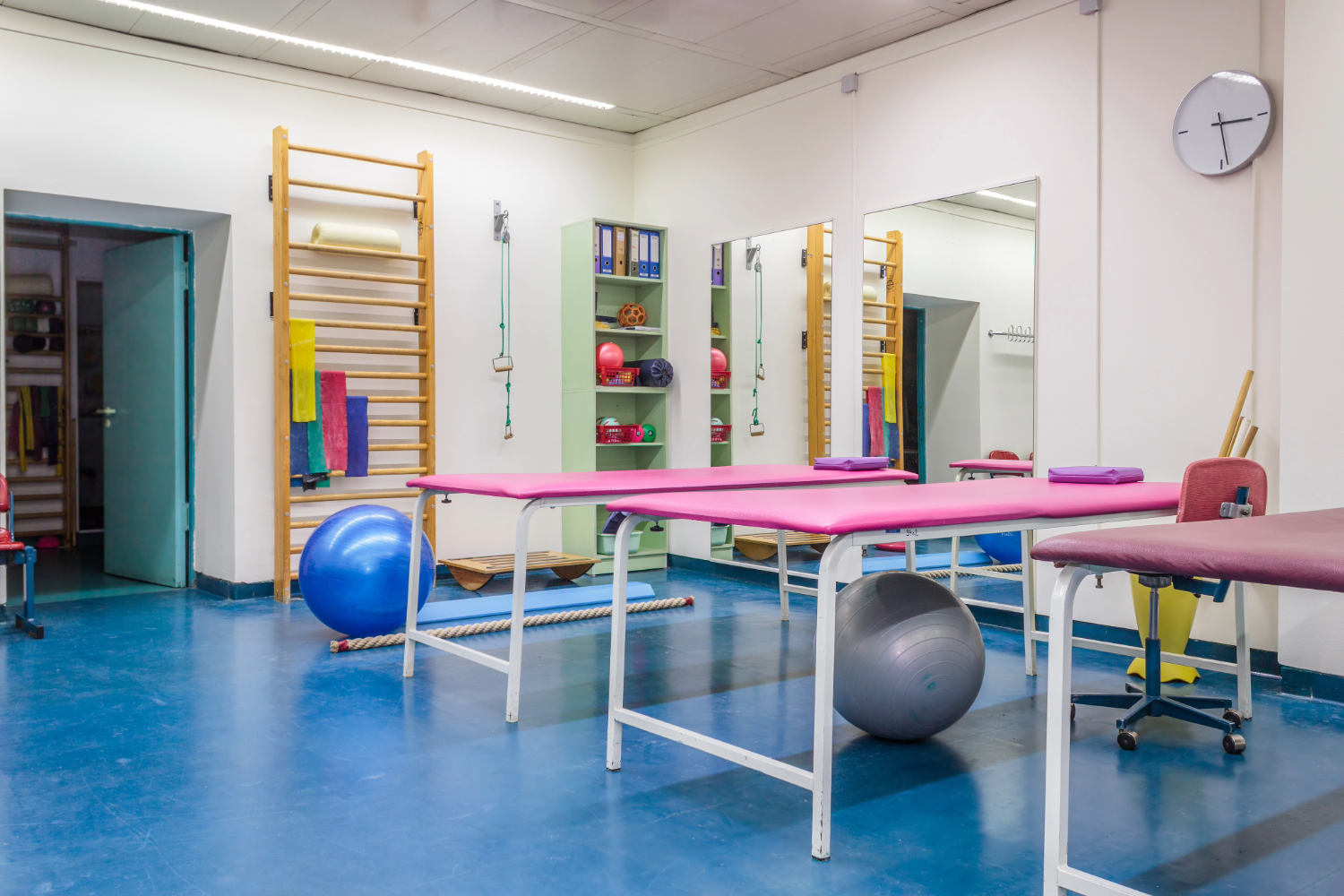
Physical therapy equipment supports recovery by improving strength, mobility, balance, and endurance while helping reduce pain and prevent reinjury. Each tool is chosen based on your diagnosis, movement limitations, and stage of healing.
Key Takeaways
- Physical therapy equipment enhances treatment but never replaces one-on-one care
- Different tools target strength, mobility, balance, endurance, and pain relief
- Equipment selection evolves as your recovery progresses
Why Physical Therapy Equipment Matters
Physical therapy equipment allows therapists to deliver structured, measurable, and progressive care. These tools help control movement patterns, apply the right amount of resistance, and challenge the body without overloading injured tissues. This balance is essential for promoting healing while minimizing setbacks.
Equipment also provides consistency. By using standardized tools, therapists can track improvements in strength, mobility, and endurance over time. This data-driven approach helps guide treatment decisions and ensures therapy remains aligned with your recovery goals.
Strength and Resistance Equipment
Strength training is a cornerstone of physical therapy, especially following injury, surgery, or periods of inactivity. Resistance equipment helps rebuild muscle safely while supporting joint stability.
Resistance Bands
Resistance bands offer adjustable tension that allows therapists to match exercise intensity to your current ability. They are often used in early rehabilitation because they provide smooth resistance without added joint stress. Bands are also effective for improving muscle control, posture, and coordination.
Free Weights and Kettlebells
Free weights help restore functional strength needed for real-world tasks such as lifting, carrying, and reaching. Therapists carefully select weight loads and movements to improve joint control, balance, and overall movement efficiency. These tools are often introduced as patients regain confidence and stability.
Weight Machines
Weight machines provide guided movement paths that help maintain proper form during exercises. They are particularly useful for targeting specific muscle groups while limiting compensations. This controlled environment supports safe progression as strength improves.
Mobility and Range of Motion Tools
Restoring mobility is essential for reducing stiffness, improving comfort, and preventing future injury. Physical therapy equipment supports gradual and controlled movement.
Stretching Straps and Mobility Bands
Stretching straps assist patients in achieving deeper, safer stretches without overexertion. These tools are especially helpful for individuals recovering from surgery or dealing with limited flexibility. They allow therapists to guide range-of-motion improvements at an appropriate pace.
Foam Rollers and Massage Tools
Foam rollers and soft tissue tools help reduce muscle tension, improve circulation, and support recovery between sessions. They are often incorporated into warm-ups or cool-downs to prepare muscles for movement and reduce post-exercise soreness.
Balance and Stability Equipment
Balance training plays a major role in injury prevention and functional recovery. Stability equipment challenges coordination while promoting safer movement patterns.
Balance Boards and Stability Trainers
These tools create controlled instability, encouraging muscles and joints to respond more effectively to changes in position. Balance boards are commonly used to improve ankle, knee, and core stability while reducing fall risk.
Therapy Balls
Therapy balls support dynamic movement and core engagement. They help improve posture, coordination, and body awareness while allowing for a wide range of therapeutic exercises tailored to individual ability levels.
Cardiovascular and Endurance Equipment
Rebuilding endurance is an important step in returning to daily activities, work, or sports. Cardiovascular equipment allows therapists to increase activity levels safely.
Treadmills
Treadmills are frequently used for gait training and walking mechanics. Therapists can monitor stride length, posture, and endurance while adjusting speed and incline to support gradual improvement.
Stationary Bikes and Ellipticals
Low-impact cardio machines help improve cardiovascular fitness while minimizing joint stress. These tools are ideal for patients recovering from joint injuries or surgeries who need conditioning without excessive impact.
Modalities and Therapeutic Technology
Certain physical therapy tools focus on pain management and tissue healing to support active rehabilitation.
Ultrasound Therapy
Ultrasound therapy delivers deep heat to targeted tissues, promoting blood flow and aiding in the healing process. It is commonly used for soft tissue injuries and chronic conditions.
Heat and Cold Therapy Tools
Heat therapy helps relax muscles and improve flexibility, while cold therapy reduces swelling and inflammation. Therapists select these tools based on treatment goals and symptom presentation.
Assistive and Functional Training Equipment
Functional training equipment bridges the gap between therapy exercises and real-life movement.
Parallel Bars
Parallel bars provide support during gait training and balance exercises. They are often used early in rehabilitation to help patients regain confidence while relearning proper walking mechanics.
Step Platforms and Functional Trainers
Step platforms simulate everyday movements such as stair climbing and transfers. These tools help patients safely rebuild strength and coordination for daily tasks.
How BioMotion Physical Therapy Chooses the Right Equipment
At BioMotion Physical Therapy, equipment selection is guided by clinical evaluation, not routines. Our physical therapists assess movement patterns, strength deficits, and functional limitations to determine which tools will be most effective.
As progress is made, equipment and exercises are adjusted to continue challenging the body while maintaining safety. This personalized approach ensures therapy evolves with your recovery.
Equipment Supports Results, Not Replaces Expertise
Physical therapy equipment enhances treatment, but it does not replace skilled clinical care. Our therapists use their expertise to guide movement, make real-time adjustments, and ensure exercises are performed correctly. The combination of expert oversight and targeted equipment is what leads to long-term improvements in mobility, strength, and confidence.
Start Your Personalized Physical Therapy Plan with BioMotion
Whether you’re recovering from injury, managing chronic pain, or working to improve mobility, the right tools paired with expert care make a measurable difference in physical therapy services in Schertz, TX. Contact BioMotion Physical Therapy today to schedule an evaluation and begin a treatment plan built around your goals.