Physical Therapy Services in San Antonio, TX / Leon Valley, TX

Physical Therapy Services Leon Valley, TX Residents Trust

Move with greater confidence and get back to the activities that matter to you with personalized physical therapy from BioMotion Physical Therapy near Leon Valley, TX.

Meet a Physical Therapist Near Leon Valley – Treatment Designed for You

A man talks to a physician in a white coat about his physical therapy needs and coverage.

Physical therapy should address more than the name of an injury or condition. At BioMotion Physical Therapy, we look at how pain, weakness, stiffness, or limited mobility is affecting your everyday life and build treatment around your specific needs so you can do more comfortably and confidently.

Our licensed physical therapists work with people recovering from surgery, sports injuries, recurring pain, and other mobility limitations. Each of our therapists is dedicated to personalized care and committed to helping you achieve your goals, with an individualized plan that can progress as your strength, movement, and function improve.

Whether your goal is getting through the workday more comfortably, returning to exercise, keeping up with your family, or recovering after an injury, we support your health journey by helping you work toward the activities that matter to you.

“Great results with my TMJ to avoid surgery! Continued care for Sciatic pain through my pregnancy! Great compassionate people, awesome services, clean and orderly facility.”

– Norma O.

Physical Therapy Services Offered Near Leon Valley, TX

BioMotion provides physical therapy for orthopedic pain, injuries, post-surgical recovery, mobility limitations, and other rehabilitation needs. Treatment begins with an evaluation so your therapist can understand what is limiting you and determine which treatment methods may be appropriate to help manage chronic pain and, when possible, avoid more invasive surgery.

We also work with many major insurance providers for physical therapy services. Coverage varies by plan, so if you are unsure whether your insurance is accepted, contact our office or complete our insurance verification form for help understanding your benefits.

Back Pain Icon

Back Pain Therapy

Back pain that keeps returning can affect much more than exercise. Sitting at a desk, standing for long periods, sleeping, lifting, and completing everyday tasks can all become more difficult.

At BioMotion, your therapist evaluates factors such as strength, mobility, posture, and movement patterns rather than simply focusing on where it hurts. Treatment may combine manual therapy, progressive strengthening, mobility exercises, postural education, and movement retraining based on your individual findings and goals.

Learn more
Neck Pain Icon

Neck Pain Relief

Neck pain and stiffness can make turning your head, driving, working at a computer, exercising, or finding a comfortable sleeping position difficult. Symptoms may develop after an injury such as whiplash or be associated with muscle tension, posture, weakness, or mobility restrictions.

Your therapist can assess how your neck and surrounding areas are moving and develop a treatment plan that may include hands-on therapy, strengthening, mobility work, and postural education. Treatment can then be adjusted as your movement and tolerance improve.

Learn more
Shoulder Pain Icon

Shoulder Pain Management

A painful or weak shoulder can make reaching, carrying, lifting, sleeping, and exercising frustrating. BioMotion treats shoulder limitations associated with rotator cuff problems, overuse, instability, injuries, and post-surgical recovery.

Treatment may include manual therapy, range-of-motion work, strengthening, stabilization exercises, and functional movements selected around your individual needs. As you progress, your program can become more challenging to help prepare your shoulder for the activities you want to return to.

Learn more
Hip Pain Icon

Hip Pain Rehabilitation

Hip pain can make walking, sitting, getting up from a chair, climbing stairs, and staying active more difficult. It may be related to arthritis, an injury, weakness, mobility restrictions, or recovery following surgery.

Our therapists consider how the hip works together with the surrounding muscles and joints when developing your rehabilitation plan. Treatment may focus on mobility, progressive strengthening, balance, and movement strategies that help you work toward easier and more confident everyday movement.

Learn more
Feet & Ankle Pain Icon

Foot & Ankle Physical Therapy

Foot and ankle problems can affect the way you stand, walk, run, and move throughout the day. BioMotion treats conditions such as ankle sprains, plantar fasciitis, Achilles tendon problems, instability, and overuse injuries.

Your therapist may assess mobility, strength, balance, coordination, and walking mechanics to identify areas that need attention. A progressive rehabilitation program can then help rebuild the stability and movement needed for everyday activities, exercise, or sports.

Learn more
Tendonitis Icon

Tendonitis & Repetitive Strain Injury Treatment

Repetitive activity can gradually place too much demand on a tendon or muscle, whether the movement happens at work, during exercise, or as part of a sport. Simply resting until the discomfort settles may not address the factors that contributed to the problem in the first place.

Our therapists develop individualized treatment plans that may use therapeutic exercise, mobility work, progressive strengthening, manual therapy, and changes to movement or activity. The goal is to gradually rebuild your ability to tolerate the activities you need to perform.

Learn more
Arthritis Icon

Arthritis Management

Arthritis can make joints feel stiff, weak, or uncomfortable and may gradually make everyday activities more challenging. Physical therapy can help you work on strength, mobility, balance, and practical movement strategies that support an active lifestyle.

Your therapist will consider which joints are affected, your current abilities, and the activities that matter most to you. Treatment may include gentle strengthening, mobility exercises, hands-on techniques, and modifications that make movement more manageable.

Learn more
Sports Injury Icon

Sports Injury Recovery

An injury feeling better does not always mean your body is ready for the demands of running, lifting, jumping, cutting, or returning to competition. Strength, mobility, coordination, and control may still need to be rebuilt before returning to full activity.

BioMotion develops progressive rehabilitation plans for athletes and active adults based on their injury and goals. Treatment may include strengthening, mobility work, balance training, movement retraining, and sport-specific exercises that prepare you for the demands of your activity.

Learn more
Knee Pain Icon

Knee Pain Relief

Knee pain can make stairs, walking, squatting, standing from a chair, running, and exercising more difficult. For some patients, even their first step can feel uncomfortable or uncertain. Symptoms may be associated with arthritis, ligament or meniscus injuries, overuse, weakness, or post-surgical recovery.

Your physical therapist can assess knee mobility as well as strength, balance, coordination, and movement throughout the leg. Treatment may include therapeutic exercise, manual therapy, stability work, and movement retraining designed around your functional goals.

Learn more
Cardiac Rehab Icon

Cardiac Rehabilitation

Returning to physical activity after a heart-related event or procedure may require careful progression and professional guidance. BioMotion provides cardiac rehabilitation designed to help appropriate patients work on cardiovascular endurance, strength, and confidence with activity.

Treatment may include guided cardiovascular exercise, education, breathing strategies, and progressive activity based on the patient's individual rehabilitation needs.

Learn more

Our Personalized Approach to Physical Therapy Near Leon Valley


At BioMotion, treatment starts with learning what is limiting you and what you want to accomplish. Your therapist considers your symptoms, medical history, mobility, strength, balance, movement patterns, and functional goals before developing your treatment plan.

Your program can then change as you do. Exercises may be progressed, movements may become more challenging, and treatment strategies can be adjusted as your abilities improve while addressing any new concerns along the way. Your therapist also explains what you are working on so you understand how each part of the program relates to your recovery.

Advanced Physical Therapy Treatments Available Near Leon Valley


  • Manual Therapy

    Licensed therapists may use manual therapy techniques to address mobility restrictions, stiffness, and soft-tissue limitations as part of your rehabilitation plan.

  • Targeted Exercise Programs

    Therapeutic exercises are selected around your needs to improve strength, mobility, balance, coordination, and your ability to perform everyday activities.

  • Dry Needling

    Dry needling may be incorporated when appropriate for certain musculoskeletal conditions as one component of a broader rehabilitation program.

  • Electrical Stimulation & Ultrasound

    Therapeutic modalities such as electrical stimulation and ultrasound may complement exercise and movement-based treatment when your therapist determines they are appropriate.

  • Posture & Ergonomics Training

    Improve awareness of how you sit, stand, work, lift, and move throughout the day while learning practical strategies that may reduce unnecessary strain.

Insurance & Coverage Options for Physical Therapy

BioMotion Physical Therapy works with a wide range of insurance providers, including military insurance such as TRICARE, to help patients access physical therapy and rehabilitation services.

Benefits vary between insurance plans. Your coverage may include specific requirements involving referrals, prior authorization, visit limits, deductibles, or copays. If you are unsure about your physical therapy benefits, contact our office or complete our insurance verification form. Our team can help you understand what applies to your plan.

Medicare
Medicaid
Humana
Aetna
UnitedHealthcare
Blue Cross Blue Shield
TRICARE

Get to Know the BioMotion Team

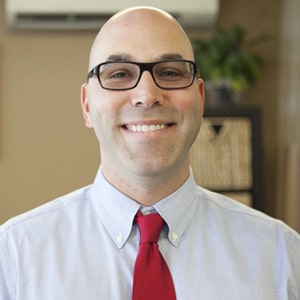
Derek Sanchez - Owner

DR. DEREK SANCHEZ

PT, DPT, CSCS/OWNER

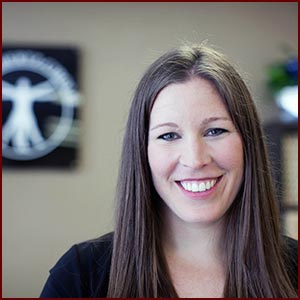
Laura

DR. LAUREN BLANTON

PT, MPT, DPT

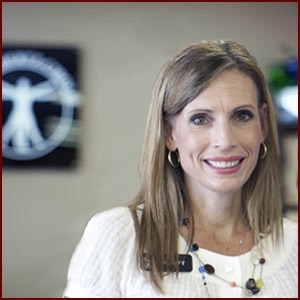
Susan

SUSAN BAILEY

PT, MED

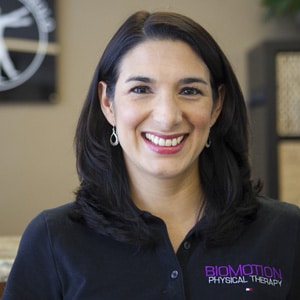
Magaly-Sanchez

MAGALY SANCHEZ

PTA, MED

In Pain? Book a Free Screening Near Leon Valley

Contact us here or call 210-659-4333.

If pain, weakness, an injury, or limited mobility is interfering with your normal routine, a free screening can help you better understand your next step. Talk with a BioMotion physical therapist about what you are experiencing, which activities have become difficult, and what you hope to return to. Our team can explain whether a physical therapy appointment may be appropriate and answer questions about scheduling, insurance, and getting started.

Frequently Asked Questions:

In many cases, no. Under current Texas Direct Access rules, a qualifying physical therapist can treat a patient without a physician referral for up to 30 consecutive calendar days. A referral is required to continue treatment beyond that period. Your insurance plan may still have its own referral or prior-authorization requirements. Contact BioMotion before your first appointment and our staff can help explain what applies to your plan and whether any additional paperwork is needed.

Your first visit typically lasts about 60 minutes and is when your initial evaluation is completed and your treatment plan begins to take shape. Your therapist will discuss your symptoms, medical history, previous injuries or treatments, and the activities that have become difficult. The evaluation may also look at strength, mobility, flexibility, balance, posture, coordination, and movement patterns. BioMotion uses this information to develop an individualized treatment plan rather than starting every patient with the same routine.

BioMotion treats a wide range of orthopedic and rehabilitation needs, including back and neck pain, shoulder and hip problems, knee pain, foot and ankle injuries, arthritis, tendonitis, repetitive strain injuries, sports injuries, balance disorders, and post-surgical recovery. BioMotion’s current service offerings also include pelvic floor rehabilitation and treatment for balance disorders such as BPPV. Your diagnosis is only one part of the treatment process. Your therapist will also consider how the condition affects your ability to walk, work, exercise, sleep, participate in sports, or complete normal daily activities.

Orthopedic physical therapy focuses on problems involving the muscles, joints, bones, tendons, ligaments, and other parts of the musculoskeletal system. It is commonly used for conditions such as back and neck pain, joint injuries, arthritis, sprains, sports injuries, and recovery after orthopedic surgery. Treatment may include therapeutic exercise, strengthening, mobility work, manual therapy, movement retraining, and education based on the specific limitations identified during your evaluation.

Yes. BioMotion provides treatment for knee, foot, and ankle conditions as part of its orthopedic physical therapy services. Treatment depends on the injury but may address strength, joint mobility, balance, coordination, stability, and movement mechanics. This can be particularly important when preparing to return to walking, work, exercise, running, or sports after a lower-extremity injury.

Your treatment plan depends on the findings from your evaluation. Physical therapy may include therapeutic exercise, manual therapy, strengthening, mobility work, balance and coordination exercises, functional movement training, and postural education. Therapeutic modalities such as dry needling, electrical stimulation, or ultrasound may also be incorporated when appropriate. BioMotion uses these techniques alongside active rehabilitation rather than relying on one treatment method for every patient.

Dry needling is a technique in which a trained provider inserts thin needles into specific areas of muscle, often including tight bands or trigger points. It may be used to address muscle tension, stiffness, and certain types of musculoskeletal pain. At BioMotion, dry needling may be incorporated as one part of a broader physical therapy program that can also include exercise, mobility work, strengthening, and hands-on treatment.

Therapeutic exercise allows your therapist to progressively work on physical abilities affected by an injury, including strength, endurance, flexibility, balance, and functional movement. Your exercises can change as you improve so your rehabilitation continues preparing you for the movements you need at home, at work, during exercise, or while playing sports. Depending on your condition, exercise may also be used as part of a broader strategy for managing pain and swelling during recovery.

Yes. Balance and coordination training may be particularly useful after lower-extremity injuries, surgery, falls, or conditions that affect stability. BioMotion uses approaches such as balance exercises, gait training, strength and stability work, and coordination exercises to help appropriate patients improve control during walking and other daily activities. For someone with an increased risk of falling, the rehabilitation plan may also include fall-prevention strategies and exercises designed to make everyday movement safer.

Vestibular rehabilitation is a specialized form of physical therapy for certain types of dizziness, vertigo, and balance problems. Depending on the condition, treatment may include balance exercises, gaze-stabilization activities, head and body coordination exercises, and other techniques designed around the vestibular system. BioMotion lists balance disorder treatment among its services and has experience with vestibular rehabilitation for conditions such as BPPV.

Balance problems can affect confidence with walking, stairs, turning, and other daily movements. A physical therapist can evaluate the areas contributing to instability and develop exercises to improve strength, coordination, gait, and balance. BioMotion’s balance-related rehabilitation may include gait training, proprioception exercises, stability work, and other strategies intended to help patients move more safely and confidently.

Yes. BioMotion offers pelvic floor rehabilitation for both women and men with needs related to pelvic pain, incontinence, pelvic floor weakness or dysfunction, pregnancy or postpartum recovery, and certain post-surgical conditions. Treatment is individualized and may include targeted exercises, manual techniques, movement education, and guidance based on the patient’s symptoms and goals.

Restoring adequate mobility can be an important part of preparing the body to return to normal activity. If meaningful restrictions remain, other muscles or joints may compensate for the limited movement, and you may not be adequately prepared for the physical demands of work, exercise, or sports. Your therapist can identify mobility restrictions during your evaluation and determine whether mobility work should be combined with strengthening, balance, coordination, or functional training.

No rehabilitation program can guarantee that another injury will never happen. However, physical therapy can identify and address factors that may leave you less prepared for activity, such as weakness, limited mobility, poor balance, reduced coordination, or difficulty controlling certain movements. Your therapist can progressively challenge these areas and help determine when you are ready for more demanding work, exercise, or athletic activities.

Yes. Physical therapy can include education and practice for movements you perform outside the clinic. Depending on your needs, your therapist may work with you on walking, stairs, lifting, bending, getting up from a chair, workplace movements, exercise technique, or other activities that are important to your daily routine. Texas defines physical therapy as including education and training that helps people perform independent activities of daily living.

Postural education can help you become more aware of positions and movement habits that may be placing unnecessary strain on your body. Instead of simply telling you to “sit up straight,” your therapist may evaluate how you sit, stand, work, lift, or move throughout the day. Treatment can combine practical positioning changes with strengthening and mobility exercises when physical limitations are contributing to poor movement habits.

Physical therapists practicing in Texas must be licensed by the Texas Board of Physical Therapy Examiners. Physical therapist assistants must also be licensed and work under the direction and supervision of a physical therapist. Beyond licensure, relevant experience and additional credentials can be useful when you have a particular rehabilitation need, such as sports rehabilitation, vestibular problems, pelvic health, or a complex orthopedic injury. You can always ask about your therapist’s experience treating conditions similar to yours.

The way physical therapy visits are structured can vary between clinics and treatment plans. Certain parts of treatment may require direct individual work with your therapist, while other exercises may be performed with supervision after you have been taught the correct technique. If the amount of individual therapist time is important to you, ask BioMotion what you can expect during your appointments before getting started.

Physical therapists evaluate more than movement and strength. If your therapist identifies symptoms or findings that may require additional medical evaluation, they may recommend that you follow up with a physician or another appropriate healthcare provider. That could include seeking additional assessment, imaging, or specialist care when necessary. Your physical therapist can also coordinate rehabilitation with other members of your healthcare team.

Yes. You can bring a spouse, family member, caregiver, or other support person if having them there would make your visit more comfortable. A support person may also be helpful when discussing your treatment plan, home exercises, movement recommendations, or other information you want help remembering afterward.

BioMotion works with a number of major insurance carriers, including Medicare and TRICARE. However, coverage and network participation can vary by individual plan. Your benefits may also include requirements involving referrals, prior authorization, visit limits, deductibles, or copays. Contact our office before treatment if you would like help verifying your benefits.

Medicare Part B covers medically necessary outpatient physical therapy when the applicable Medicare requirements are met. Under Original Medicare, after the Part B deductible, the patient generally pays 20% of the Medicare-approved amount for covered outpatient physical therapy services. There is currently no annual dollar limit on Medicare payment for medically necessary outpatient therapy. Medicare Advantage plans can have different networks, copays, and authorization requirements, so patients should verify their specific plan before beginning treatment.

Most rehabilitation plans include exercises or activities to complete between appointments. Your therapist will select them according to your individual limitations and teach you how to perform them correctly. The goal is not to give every patient the same exercise sheet. Your home program should reinforce what you are working on during your appointments and can be changed as your strength, mobility, balance, and function improve.

Treatment frequency depends on your condition, current limitations, goals, difficulty with daily activities, progress, insurance requirements, and overall health. There is no schedule that is right for every patient. Your therapist will recommend a frequency after your initial evaluation and can adjust your schedule over time as you make progress and become more independent with your program.

My daughter was injured during birth, and has been in either PT or OT her whole life. We moved to Texas 8 years ago and it took us some time to find someone that could grow with us, or my daughter I should say. Over the past 4/5 years my daughter has been treated by Dr. Sanchez and his team. He’s knowledgeable, professional, and understands the importance of patient care! I highly recommended that you give this place a try for your PT needs.Ashley D.

Your Recovery Starts Today at BioMotion Physical Therapy

Get the personalized care you need near Leon Valley, TX, serving patients living in Leon Valley and the greater San Antonio area. Whether you’re recovering from surgery, treating a sports injury, or managing pain, our expert team is here to help.

Contact us online for a free screening or call us at 210-659-4333 to get schedule an appointment and get started today!