
Quick Answer
Manual therapy is a hands-on approach used by physical therapists to reduce pain and improve movement by working directly with joints, muscles, and soft tissue.
Key Takeaways
- Manual therapy focuses on restoring movement through hands-on treatment
- It can reduce pain, stiffness, and muscle tension
- Often used alongside exercise for longer-lasting results
- Helps patients move better, so strengthening becomes more effective
- Common in treating injuries, chronic pain, and post-surgical recovery
What Is Manual Therapy?
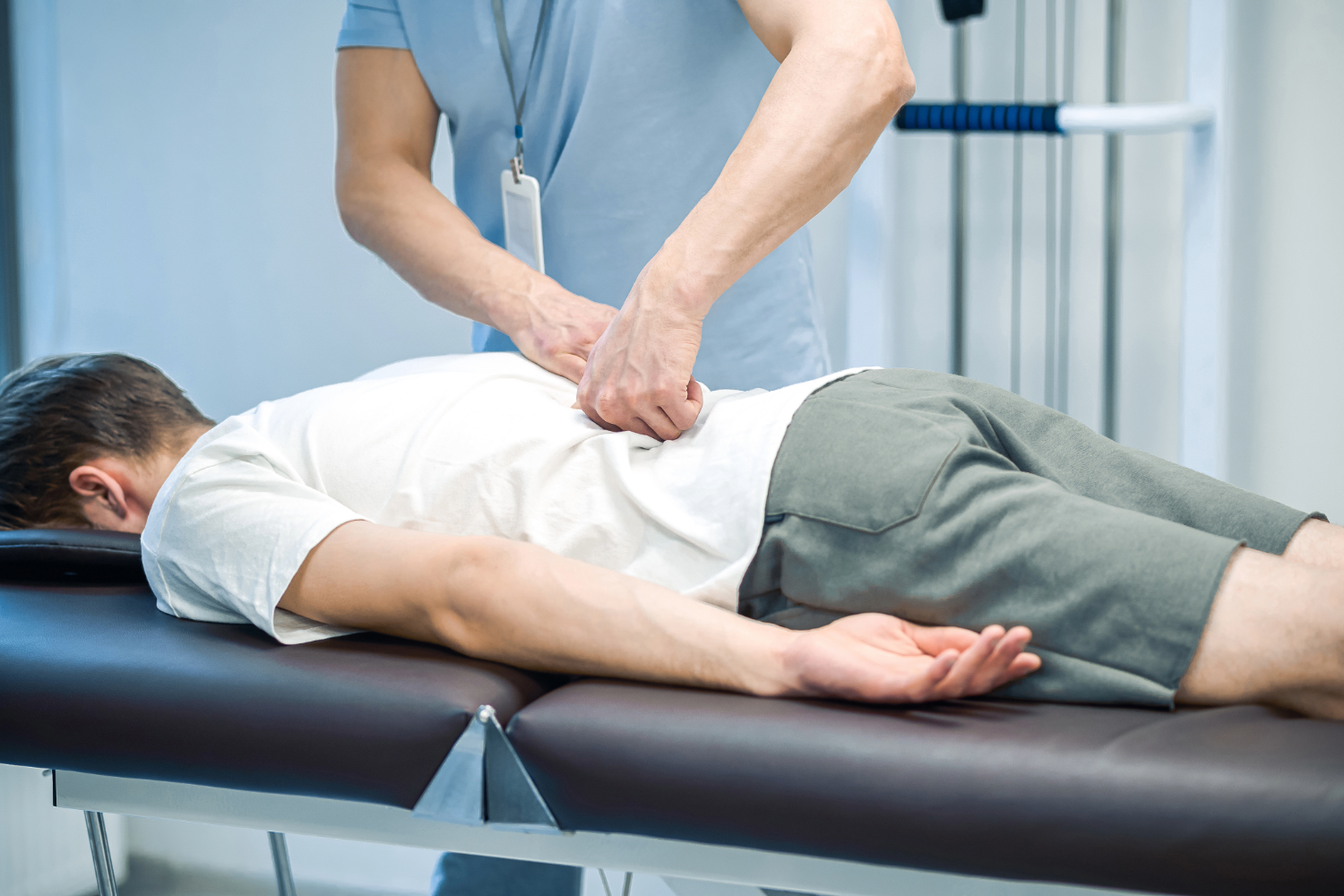
Manual therapy is exactly what it sounds like. It’s a treatment performed with the therapist’s hands, rather than relying solely on machines or exercise. But it’s not just a general massage or pressure. Every movement is intentional and based on how your body is functioning.
A physical therapist is trained to feel how joints move, how muscles respond, and where restrictions are happening. That allows them to target the source of the problem rather than just the symptoms. If a joint isn’t moving well or a muscle is guarding, manual therapy gives them a way to address it directly.
For many patients, this is the first step in treatment. Before strength or stability can improve, the body has to be able to move correctly.
How Manual Therapy Works
Pain and limited movement usually come from some restriction. That might be a stiff joint, tight muscle tissue, or a pattern your body has developed to avoid discomfort. Over time, those restrictions change how you move, often leading to more strain elsewhere.
Manual therapy helps break that cycle. By applying controlled movement or pressure, the therapist can improve joint mobility, reduce muscle tension, and help the nervous system relax protective patterns.
When movement improves, everything else becomes easier. Walking feels smoother. Reaching overhead feels less restricted. Even basic daily tasks take less effort because the body no longer has to compensate in the same way.
Common Manual Therapy Techniques
Physical therapists use different techniques depending on what they find during the evaluation. The goal is always the same. Improve movement and reduce stress on the body.
Joint Mobilization
Joint mobilization is used when a joint feels stiff or limited in motion. The therapist applies small, controlled movements to help restore motion. This can make a noticeable difference in how easily the joint moves right after treatment.
Soft Tissue Mobilization
Soft tissue mobilization focuses on muscles and the surrounding tissue. If an area feels tight or overworked, the therapist uses pressure and movement to reduce tension and improve how that tissue slides and stretches.
Manual Stretching
Manual stretching helps lengthen muscles that have shortened over time. This is especially helpful when tightness limits the range of motion or pulls joints out of alignment.
Trigger Point Therapy
Trigger point therapy targets specific areas of muscle tightness that can refer pain elsewhere. Releasing those points can reduce both local discomfort and the secondary pain patterns they create.
Myofascial Release
Myofascial release works on the connective tissue that surrounds muscles. When that tissue becomes restricted, it can limit movement across a larger area rather than just one spot.
Each of these techniques is applied with a purpose. It’s not about doing more; it’s about doing what’s needed to improve how your body moves.
Conditions That Benefit from Manual Therapy
Manual therapy is used in a wide range of situations, but it is most helpful when movement is limited or painful.
Back and Neck Pain
Back and neck pain often improves when joint stiffness and muscle tension are addressed directly, especially when movement has been restricted for a while.
Shoulder, Knee, and Joint Injuries
Shoulder, knee, and joint injuries benefit from restoring normal motion so the joint can function without compensation.
Muscle Strains and Soft Tissue Injuries
Muscle strains and soft tissue injuries respond well to hands-on treatment that helps reduce tension and improve circulation to the area.
Post-Surgical Recovery
Post-surgical recovery often includes manual therapy to address stiffness and scar tissue that can limit progress if left untreated.
Chronic Pain Conditions
Chronic pain conditions can improve when movement patterns are corrected and the body no longer constantly guards certain areas.
Sports and Overuse Injuries
Sports injuries and overuse issues often involve tight or overworked tissue that needs to be released before strength can be rebuilt effectively.
Manual Therapy vs. Exercise-Based Therapy
Manual therapy and exercise therapy are often discussed as separate approaches, but they work best when combined.
What Manual Therapy Does
Manual therapy is usually used to create change early on. If a joint is stiff or a muscle is too tight, exercises alone may not be enough to fix the problem. Hands-on treatment helps open up movement so the body can start functioning more normally.
What Exercise Therapy Builds
Once that movement improves, exercise becomes the focus. Strength, stability, and control are what keep the problem from coming back. Without that follow-up, the body often falls back into the same patterns.
Together, they address both sides of recovery. One improves movement, the other helps maintain it.
What to Expect During a Session
If you’ve never had manual therapy before, it’s usually more straightforward than people expect.
Evaluation Comes First
Your therapist will look at how you move, where you feel pain, and what’s limited. This isn’t rushed. It’s what guides everything that comes next.
Hands-On Treatment
The treatment itself may involve guided joint movement, pressure applied to certain areas, or stretching. Some techniques feel like a release, others may feel more targeted, especially if the area has been tight for a while.
Progress Over Time
Some people notice changes right away. Others improve more gradually as the body adapts. Most plans include a mix of in-clinic treatment and exercises to continue progress between visits. The goal isn’t just short-term relief. It’s getting you back to moving in a way that feels normal again.
What Makes BioMotion Physical Therapy Different
Not every physical therapy clinic delivers the same level of care, and that difference can directly impact how quickly you improve. Many clinics rely heavily on exercises or rotate patients between providers, which can limit how much hands-on attention you receive during each session. While exercise is important, it is often not enough on its own to fully address pain, stiffness, or movement restrictions.
Get Back to Moving Comfortably
If pain or limited mobility is affecting your day-to-day routine, manual therapy treatment in Schertz, TX, can help address the underlying issue.
Schedule a free screening with BioMotion Physical Therapy and get a treatment plan built around how your body moves and what it needs to recover.