
Quick Answer
Ultrasound therapy uses sound waves to help reduce pain, improve circulation, and support tissue healing by delivering targeted energy deep into muscles and soft tissue.
Key Takeaways
- Ultrasound therapy uses sound waves to reach deeper tissue layers
- It can help reduce pain, inflammation, and muscle tightness
- Often used alongside manual therapy and exercise for better results
- Supports healing by improving blood flow and tissue repair
- Common in treating injuries, chronic pain, and post-surgical recovery
What Is Ultrasound Therapy?
Ultrasound therapy is a physical therapy treatment that uses high-frequency sound waves to target tissue beneath the skin. It is not the same as a diagnostic ultrasound used for imaging. Instead, it is designed to deliver therapeutic energy that helps improve the function of muscles and soft tissue.
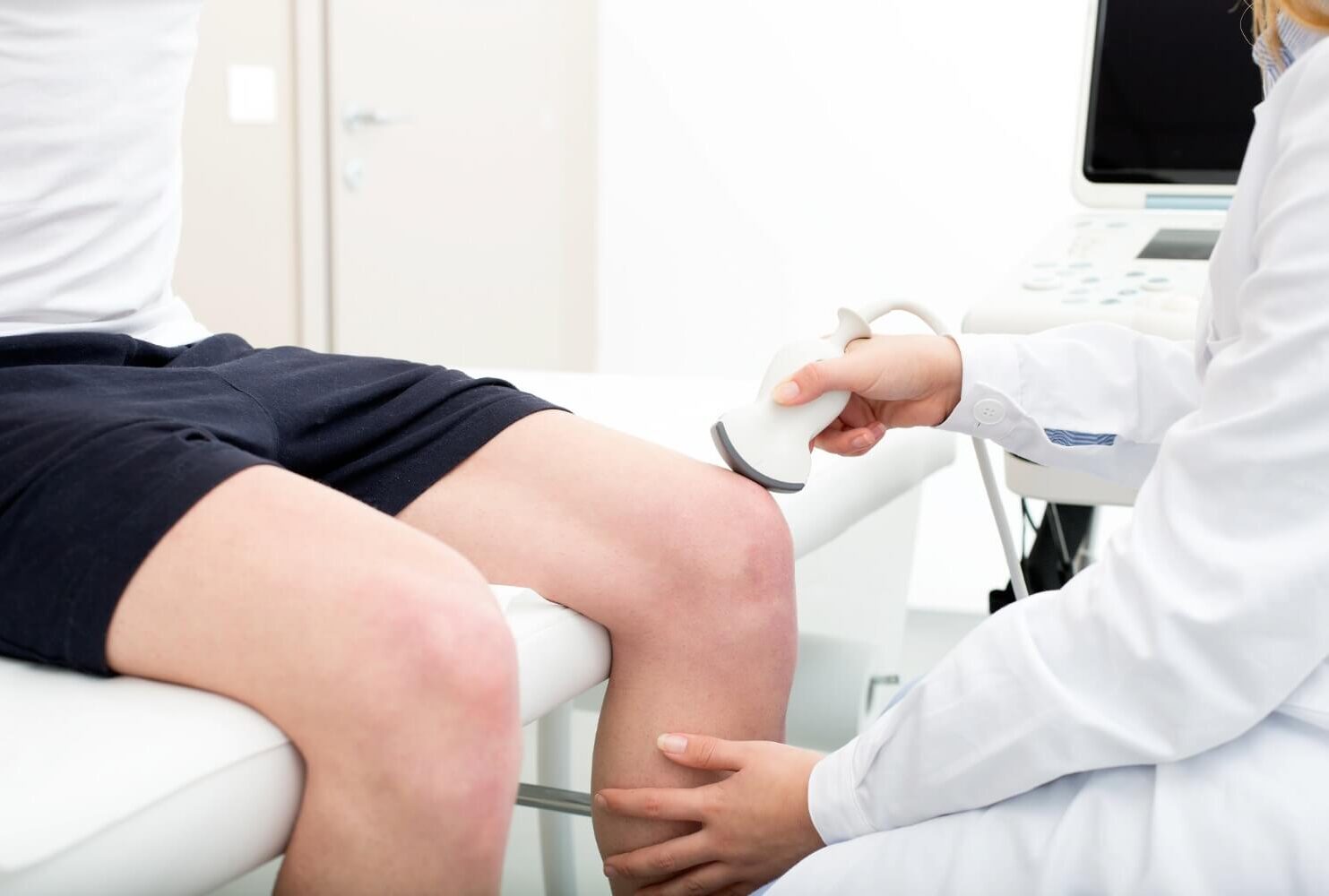
A physical therapist uses a handheld device to apply these sound waves to specific areas of the body. The goal is to reach deeper layers of tissue that are difficult to address through hands-on treatment alone. This makes it especially useful when pain or tightness is coming from structures below the surface.
For many patients, ultrasound therapy is used as part of a broader treatment plan. It helps prepare the body for movement, reduces discomfort, and supports the healing process before strengthening begins.
How Ultrasound Therapy Works
Pain and restricted movement often come from inflammation, tight tissue, or poor circulation. These issues can slow healing and make it harder for the body to recover properly.
Ultrasound therapy works by sending sound waves into the tissue, which creates a gentle heating effect or mechanical stimulation, depending on the setting used. This can help increase blood flow, relax tight muscles, and improve the tissue’s response to movement.
When circulation improves, the body is better able to deliver oxygen and nutrients to the affected area. This supports tissue repair and helps reduce stiffness.
As the area becomes less restricted, movement becomes easier. This makes it more effective to follow up with exercise and strengthening, which are key to long-term recovery.
Common Uses for Ultrasound in Physical Therapy
Physical therapists use ultrasound therapy in a variety of situations, especially when deeper tissue is involved or when healing needs additional support.
Muscle Strains and Soft Tissue Injuries
Ultrasound therapy is often used to help reduce inflammation and improve healing in strained or overworked muscles. It can help restore normal tissue function and reduce discomfort during movement.
Tendon and Ligament Injuries
Tendon and ligament injuries can take time to heal due to limited blood supply. Ultrasound helps stimulate circulation in these areas, supporting the healing process and reducing stiffness.
Joint Pain and Inflammation
Joint pain, especially when inflammation is present, can benefit from improved circulation and reduced tissue tension. Ultrasound can help make movement more comfortable while addressing underlying irritation.
Scar Tissue and Post-Surgical Recovery
After surgery, scar tissue can limit movement and create stiffness. Ultrasound therapy can help improve tissue flexibility and reduce restrictions that slow down recovery.
Chronic Pain Conditions
Chronic pain often involves ongoing tension and reduced mobility. Ultrasound can help relax affected areas and improve the body’s response to movement over time.
Sports and Overuse Injuries
Athletes and active individuals often benefit from ultrasound therapy for repetitive-strain or overuse injuries. It helps prepare the tissue for recovery and reduces ongoing stress.
Ultrasound Therapy vs. Other Treatments
Ultrasound therapy is often compared to other treatment methods, but it works best when used as part of a combined approach.
What Ultrasound Therapy Does
Ultrasound therapy helps address deeper tissue issues that may not respond as easily to manual therapy or stretching alone. It is often used early in treatment to reduce pain and improve tissue response.
What Manual Therapy and Exercise Do
Manual therapy helps restore movement through hands-on techniques, while exercise builds strength and stability. These elements are essential for maintaining progress and preventing the issue from returning.
Together, these treatments work more effectively than any single approach alone. Ultrasound supports healing, while movement-based therapy reinforces long-term results.
What to Expect During a Session
If you have not experienced ultrasound therapy before, the process is straightforward and typically comfortable.
Evaluation Comes First
Your therapist will assess your movement, identify areas of pain or restriction, and determine whether ultrasound therapy is appropriate for your condition.
Targeted Treatment
A small handheld device is applied to the skin using a gel that helps transmit the sound waves. The therapist moves the device across the treatment area while adjusting its settings to your needs. Most patients feel little to no discomfort during the process.
Progress Over Time
Some patients notice changes quickly, while others improve more gradually as healing takes place. Ultrasound is often combined with other treatments to support ongoing progress between sessions.
What Makes BioMotion Physical Therapy Different
Not every physical therapy clinic uses equipment like ultrasound in a way that supports real progress. In some cases, it is used as a standalone treatment, not integrated into a broader plan.
At BioMotion Physical Therapy, ultrasound therapy is used with a purpose. It is part of a larger strategy designed to improve movement, reduce pain, and support long-term recovery.
Our team combines ultrasound with hands-on treatment and guided exercise, ensuring that each part of your care works together. This allows us to address both the source of the issue and the factors that keep it from returning. We focus on how your body responds and adjust treatment in real time. This leads to more efficient progress and better overall outcomes.
Get Back to Moving Comfortably
If pain, stiffness, or limited mobility is affecting your daily routine, ultrasound therapy in Schertz, TX, may be part of the solution.
Schedule a free screening with BioMotion Physical Therapy and receive a treatment plan tailored to your specific needs and recovery goals.